How Can I Stop Procrastinating? (A Gentle Guide to Getting Things Done)
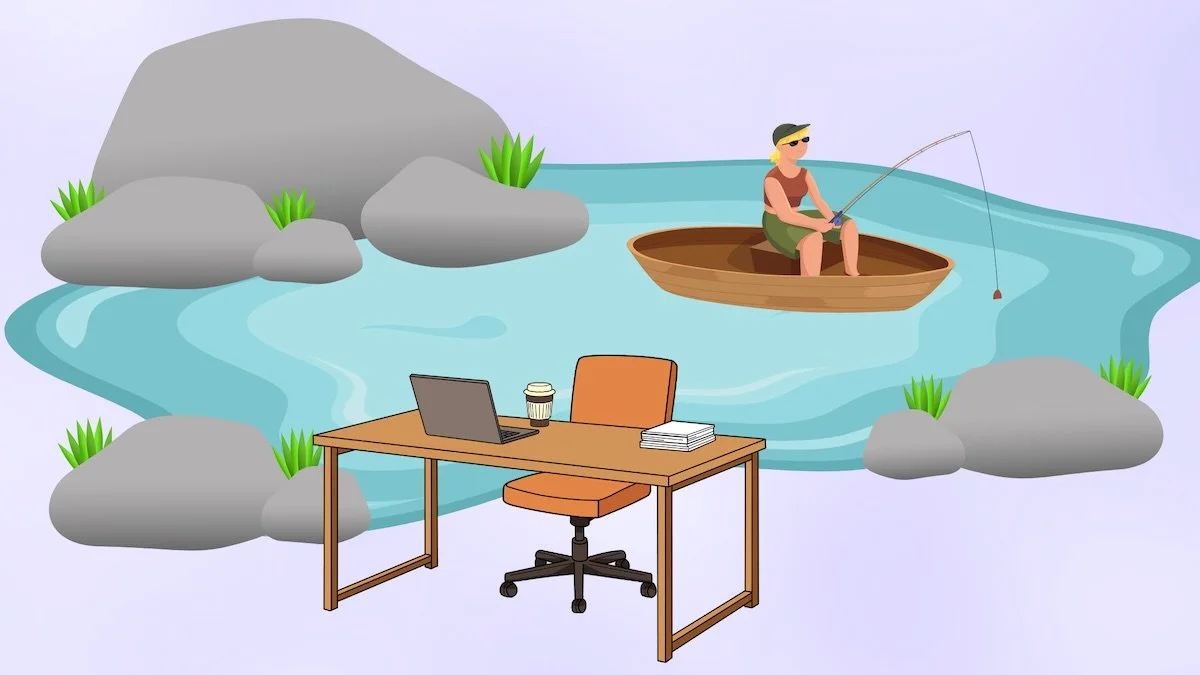
Picture this: The sun rose a few hours ago, birds are chirping outside happily, and you sit down at your desk with a fresh cup of coffee (or tea, depending on your preference). You’re determined to tackle that big project you’ve been putting off all week. You open a blank document, stare at it for a moment, then…you decide to do a quick email check. You know, just to make sure nothing urgent came in.
Before you know it, an hour has passed. You’ve cleared your inbox, scrolled through social media, and gotten up to use the bathroom a few times. Yet that big project is still sitting there, completely untouched, gently tormenting you with its glaring lack of content. And you feel bad, having put things off again.
When you find yourself procrastinating, it’s easy to be hard on yourself. We tell ourselves that we’re lazy, that we lack the self-discipline to get started. But putting things off isn’t a character flaw. It’s an emotional response.
If you’re wondering, "How Can I Stop Procrastinating?" you’re in the right place. In this guide, we’ll skip the harsh productivity lectures and look at some thoughtful, gentle, and highly effective ways to stop procrastination. By focusing on mindfulness, accountability, and small habits, you can build a supportive routine that empowers you to stop procrastinating for good.
Understanding Why We Put Things Off
Before we can explore how to stop procrastination, we have to understand why we do it in the first place.
Procrastination is rarely about a lack of time. Instead, it’s a way for our brains try to protect us from uncomfortable feelings. When a task feels too big, too confusing, or like it has a really high chance of us failing, our brain views it as a threat. To protect us from the stress or anxiety that the task creates, our brain seeks out a quick hit of comfort. That comfort often comes in the form of a distraction, like watching a video or organizing the closet.
Basically, we put things off for later to feel better right now. Even though we know it will make us feel worse later.
Simply recognizing this is an act of mindfulness. When you catch yourself reaching for your phone instead of working, don't get angry. Simply notice it. Say to yourself, “I’m feeling a bit overwhelmed by this project right now, and that’s why I want to distract myself.” Once you bring awareness to the moment in a non-judgemental way, you can begin to move forward.
4 Practical Ways to Stop Procrastination
Shifting away from procrastination doesn't require a total life overhaul. It just means making a few intentional shifts in how you approach things. Here are four powerful, friendly strategies to help you gain momentum.
1. Give Yourself Grace (Self-Compassion First)
When we beat ourselves up for wasting time, we create a wave of negative emotions. And because our brains want to avoid negative emotions, what do we do? We procrastinate even more to escape the guilt. So it can be a frustrating cycle.
Breaking this loop requires self-compassion. Forgive yourself for the time you’ve already lost because it’s in the past. It’s gone. And you can’t go back in time to do things over. All you can do is move forward.
Acknowledge that everyone struggles with focus from time to time – and that it’s okay. When you start your day with a clean slate and a forgiving attitude, you free up the mental energy needed to actually get to work.
2. Practice Micro-Planning (One Little Step at a Time)
When a goal seems massive, like "Write the quarterly report" or "Clean the entire house," it can paralyze us. It can feel so big, so daunting, so completely awful to have to commit our precious time to. Our mind doesn’t know where to start, so it may choose to not start at all.
The solution is to break your big goals down into small, bite-sized actions. Instead of writing down a massive project on your to-do list, write down the very first physical action you need to take.
Instead of: Work on presentation.
Try: Open PowerPoint and type the title slide.
By making the first step incredibly simple, you remove the fear of starting.
3. Lean into the Magic of Accountability
We are far more likely to follow through on our intentions when we know someone else is cheering us on. Trying to fight procrastination entirely by yourself can feel lonely and exhausting.
Find an accountability buddy – a coworker, a friend, or a family member. Let them know what you plan to accomplish by the end of the day. You can send a quick text that says, "Hey, I’m going to spend the next hour working on this project. Hold me to it!" Knowing that someone is waiting for an update creates a gentle, supportive pressure that keeps you on track.

4. Build an Environment for Success
Willpower is a finite resource. If you are constantly fighting the temptation to check your phone, make yourself a snack, or chat with people around you, you’ll eventually tire yourself out.
Instead of relying on willpower, design an environment that makes focusing easy. Put your phone in another room while you work, or use an app blocker to restrict access to distracting apps. Clear your workspace of unnecessary clutter or distractions. Put on headphones. Give your mind the quiet space it needs to settle into a rhythm.
The Ultimate Shortcut: James Clear’s "2-Minute Rule"
If you can stop procrastinating, you put yourself on the path to building positive habits. One of the best tools in the world of habit building comes from author James Clear in his book, “Atomic Habits.” In his philosophy of behavior change, he introduces a concept designed specifically to defeat the urge to delay: The 2-Minute Rule.
The core idea is beautifully simple: When you start a new habit, it should take less than two minutes to do.
The goal isn't to finish an entire project in two minutes – it’s simply to master the art of showing up. For a deeper look at how this concept can reshape your productivity, you can read more about it directly in his article on how to stop procrastinating.
To see how this looks in everyday life, consider these transformations:
Instead of telling yourself to "Do 45 minutes of yoga," you will "Unroll my yoga mat."
Instead of trying to "Study for a big exam," it’s "Open my notes to chapter one."
Instead of “Write a chapter of my novel,” it’s “Write the first paragraph.”
Why is this so effective? Because it flips the script on what makes a task intimidating. Anyone can unroll a mat or open a notebook. It requires almost zero effort. And once you perform that initial, two-minute action, you’ve officially started. You’ve broken the spell of procrastination.
The hardest part of any task is getting started. The transition from doing nothing to doing something. Once you get past that initial friction and build a tiny bit of momentum, your brain acclimates to the task. And more often than not, you’ll want to keep going.
Cultivating a Supportive Daily Routine
Overcoming the urge to delay isn’t about a single day of high productivity. It’s about creating a lifestyle that supports you in a variety of ways. When you take care of your overall well-being, your natural resistance to hard tasks begins to melt away.
Prioritize Daily Mindfulness
Taking just a few moments each morning to sit in quiet reflection can transform how you handle stress throughout the day. Mindfulness teaches you to stay present. When you are fully anchored in the current moment, you spend less time worrying about the future or feeling overwhelmed by your to-do list. It allows you to approach your responsibilities with a calm, clear mind.

Celebrate the Tiny Wins
We often forget to reward ourselves for the things we do accomplish. If you spend your day focusing only on what’s not completed, your brain will begin to associate your work with feelings of inadequacy.
Make it a habit to celebrate your small victories. Did you write two paragraphs? That’s great! Did you make that phone call you were avoiding? Awesome! Take a moment to feel proud of your progress. Using a visual method to keep track – like a free habit tracker app or a notebook – can turn these small wins into a rewarding game, giving you a satisfying visual reminder of your dedication.
Remember Your "Why"
When you are staring down a tedious or difficult task, it is easy to forget why it matters. So make a conscious effort to connect your daily chores to a larger sense of empowerment. After all, you aren't just filling out a spreadsheet – you’re contributing to a project that helps people. You aren't just doing the dishes – you’re making things easier when the next meal rolls around. When you tie your actions to your deeper values, motivation follows naturally.
Moving Forward with Confidence
Learning how to stop procrastination is a journey, not an overnight switch. There will still be days when focus feels elusive, and that’s totally okay. The goal isn’t absolute perfection. It’s gentle progress.
By bringing mindfulness to your moments of hesitation, leaning on the support of others for accountability, and using smart shortcuts like the 2-Minute Rule, you can take back control of your time. You have the power to get things done and build a routine that truly fulfills you.
Be kind to yourself today, starting with just two minutes. Then watch your momentum grow.
Frequently Asked Questions
How can I stop procrastinating when I feel completely overwhelmed?
Shrink your focus down to the absolute smallest possible element. Break larger, more complex tasks into smaller, simpler ones. Completing just one tiny action can immediately break the feeling of paralysis and build momentum.
What are the most effective ways to stop procrastination long-term?
Focus on designing a distraction-free environment, practicing self-compassion to lower work-related anxiety, and using an accountability partner. These habits change your emotional relationship with your workload over time.
What is the 2-minute rule for procrastination?
Created by James Clear in his book, Atomic Habits, it states that any new habit or task should be scaled down to take less than two minutes to do (like rolling out a yoga mat or opening a document). It focuses on mastering the art of showing up.
Is procrastination caused by laziness?
No, it’s an emotional coping mechanism, not laziness. We put things off because a task triggers uncomfortable feelings like anxiety, confusion, or fear of failure, causing our brains to seek immediate comfort in a distraction.