What is a Habit Tracker? (And How it can Transform Your Life)

We all have things we want to change. Maybe you want to finally start that morning yoga practice, read more books, or just remember to drink a lot of water every day. But even if you have the best of intentions about how you’re really going to achieve that goal, life happens. Work gets busy, the kids need help with homework, or you’re just plain tired.
Before long, that new goal can feel like a distant memory.
The problem isn't your willpower. The problem is that habits are hard to build in a vacuum. Without a way to see the progress you’re making, it’s easy to feel like you aren’t making progress at all. This is where a habit tracker comes in.
So what is a habit tracker, exactly? And, more importantly, how can it help you get on the path to achieving your goals?
What is a Habit Tracker?
In its simplest form, a habit tracker is a supportive tool for logging your daily actions. Think of it as a visual celebration of your intentions meeting your reality.
Every time you complete a habit – like going for a walk, meditating, or practicing a new skill – you mark it down. Over time, these marks become a record of your commitment to yourself. Whether you use a physical notebook, a wall calendar, or a dedicated app like Sunny Habits, the goal is the same: to provide immediate feedback and help you recognize the person you are becoming.
Think of it as a "bridge." On one side of the bridge is the person you are today. On the other side is the person you want to be—the one who is healthier, more creative, or more present. The tracker is the series of steps you take to cross that bridge. Without it, it’s easy to get lost in the middle or turn back when things get difficult.
Why Habit Tracking Works: The Power of Self-Trust
In his bestselling book, Atomic Habits, James Clear discusses the concept of "identity-based habits." He argues that the most effective way to change your behavior is to focus not on what you want to achieve, but on who you want to become.
A habit tracker helps make this identity shift feel real. Every time you check off a box, you’re gathering "proof" that you are someone who shows up for yourself. This is about so much more than just hitting a goal. It’s about building a lasting foundation of self-trust.
1. It boosts your sense of what you can achieve
Believing in your own ability to succeed is a powerful feeling. When you look back at a week of tracked habits, you see tangible evidence of your discipline. That feeling of "I did what I set out to do" is one of the quickest ways to build legit self-confidence. In a world where we often let ourselves down, keeping a promise to yourself feels like a superpower.
2. It provides immediate gratification
The brain loves rewards. Most good habits (like exercising or saving money) have delayed rewards. You won’t get six-pack abs after one super intense gym session. However, the act of checking off a box on your tracker provides an immediate dopamine hit of satisfaction. This small win makes you feel good right now, which encourages you to repeat the behavior tomorrow.
3. It turns "should" into "did"
We often carry a heavy mental load of things we "should" be doing. "I should exercise," "I should call my mom," "I should drink more water." By tracking these tasks, you move them out of your head and onto the page. Completing them provides a sense of closure and mental clarity, freeing up your brain to focus on more important things.
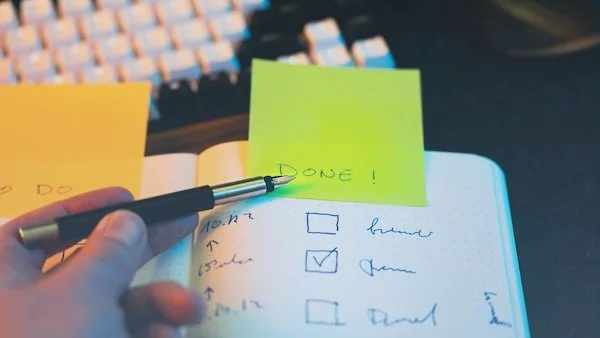
What Habits Matter Most To You?
One of the best things about habit tracking is how versatile it is. You shouldn’t just track the "boring" stuff or only things related to productivity or exercise. To build a balanced life that actually makes you happy, consider tracking habits of all types. After all, if it’s a habit that matters to you, then it’s worth doing.
Physical Health
This isn't about punishment or "fixing" yourself. And it’s not one-size-fits-all either. It's about giving your body what it needs to thrive.
Hydration: Tracking your water intake is the easiest win. You’ll be surprised how much better your skin looks and how much more energy you have,
The Morning Kickstart: Many high performers find success by incorporating movement into their morning – much like the first "20" of Robin Sharma’s 20-20-20 morning routine. This 20-minute burst of exercise kickstarts your endorphins, making you feel capable before the day even truly begins.
Sleep Hygiene: Track your "lights out" time. Good habits during the day start with a well-rested brain.
Mental Stimulation and Growth
Learning is a muscle that makes us feel more capable and alive. And taking a reflective moment for yourself can do a world of good. So set yourself on a path to learn, to breathe, and to grow.
Curiosity Minutes: Instead of "studying," track 15 minutes of "following your curiosity" – whether that means using a language app, listening to a history podcast, or reading a non-fiction book.
Mindfulness: Even two minutes of sitting in silence can drastically lower your stress levels.
Journaling: Tracking your mood or a daily "win" helps you process emotions rather than bury them.
Thoughtfulness and Connection
In our digital world, we can be "connected" while also being incredibly lonely. Daily habit tracking can help you nurture the relationships that matter most.
The "Check-In": A daily habit of sending one meaningful text to a friend or family member.
Random Acts of Kindness: Tracking how often you do something kind for a stranger or a colleague shifts your focus outward, which is a proven mood-booster.
Presence over Phones: Track 30 minutes of "no-phone time" during dinner or before bed. This intentionality makes your loved ones feel seen and valued.
Creativity and Play
We often stop "playing" as adults. This is really too bad, because creativity is essential for mental health.
The 10-Minute Sketch: Don't judge yourself harshly for not being a professional artist. Just take a few minutes and enjoy act of creating.
Music or Hobbies: Whether you used to play an instrument or knit coloful scarves, spend 15 minutes doing it again. It reconnects you with your younger, more playful self.
Idea Generation: Spend five minutes writing down "bad ideas." It takes the pressure off and gets the creative juices flowing.
How to Track Your Habits: Choosing Your Path
There is no "right" way to track your habits – only the way that makes you feel supported and encouraged. Here are the three most popular methods:
1. The Paper and Pen Method
This is the classic approach. You can use a bullet journal, a wall calendar, or a printed habit tracking sheet. Or even just a scrap of paper. Whatever works.
The Pros: It’s tactile and screen-free. There is something deeply satisfying about the scratch of a pen on paper as you cross off a task.
The Cons: It’s not always with you. If you leave your journal at home, you might forget to track, losing that feeling of momentum.
2. The Digital App
For most people, a free digital habit tracking app is the most effective solution. It lives where you live: on your phone.
The Pros: An app like Sunny Habits offers gentle reminders, colorful visualizations of your progress, and the ability to track your growth anywhere. It turns your data into insights, showing you exactly how far you’ve come.
The Cons: It requires a phone, but since most of us have our phones nearby, it’s often the most consistent method.
3. The Visual "Paperclip" Method
This is a fun, physical way to track a single, high-priority goal. If your goal is to drink five bottles of water a day, put five paperclips in a jar. Every time you finish a bottle, move a paperclip to a second jar.
The Pros: You get visual reminders of your success throughout the day.
The Cons: It’s not as helpful if you’re not always in the same place. Plus it’s easy to lose paperclips.
The Psychological Shift: From "Perfect" to "Progress"
The biggest mistake people make with goal setting and tracking is thinking they have to be perfect. They thinkthat if they miss one day, the whole thing is ruined.
This is the opposite of why we track.
A habit tracker isn't a judge – it's a coach. If you miss a day, look at your tracker with curiosity, not guilt. Ask yourself, “Was I too tired?” “Was I trying to do too much?” “Did I just forget?”
By looking at the data, you can adjust. If you notice you always miss your "creative writing" habit on Thursdays, maybe Thursday is too busy. You can move that habit to Friday, or make it smaller. This kind of flexibility is what makes a routine stick for the long term.
How to Start (Without Feeling Overwhelmed)
If you’re ready to dive into daily habit tracking, follow these steps to ensure you don't burn out by week two:
Select Three "Feel-Good" Habits: Choose one for your body, one for your mind, and one for your spirit. Keeping the list short makes it manageable.
Make Them Micro: As James Clear suggests, make the habit so small it’s impossible to fail. "Read one page" is better than "Read for an hour."
Habit Stack: Connect your new habit to an old one. Something like, "After I brush my teeth, I’ll do five push-ups."
Review Weekly: Once a week, look at your tracker. Don't look at the misses; look at the hits. Celebrate the fact that you showed up for yourself.

The Ultimate Benefit: A Better Relationship with Yourself
When you consistently track your habits, something magical happens. You stop being your own worst critic and start being your own biggest fan. You realize that you aren't lazy or unmotivated – you just needed a system.
A habit tracker turns "I wish I could" into "Look at what I've done." It provides a sense of agency and a pro-active way to feel good about your progress – and feel good about yourself.
Whether you're looking to master a full daily habit tracking routine or just want to remember to take a deep breath once a day, tracking is the simplest way to get there.
Frequently Asked Questions
What is a habit tracker?
A habit tracker is a tool – like a notebook or an app – that helps you record your daily actions. It provides a visual way to see your progress and helps you stay committed to the things that make you feel good.
How can habit tracking improve my self-esteem?
Tracking habits builds "self-trust." Every time you check off a habit, you prove to yourself that you are capable of following through on your intentions, which naturally boosts your confidence over time.
What is the best way to track habits?
The "best" way is whatever you will actually use. Many people prefer an app like Sunny Habits on the App Store because it sends reminders and creates easy-to-read charts of your progress. But a simple paper journal can be just as effective if you prefer to be offline.
Should I stop tracking once a habit becomes "automatic"?
Some people do, but many continue tracking because they enjoy the sense of accomplishment and the visual record of their lifestyle. Tracking can also prevent "habit drift," where you slowly stop doing the behavior without realizing it.